Transform your living space into a dust-free haven
Introduction
Dust accumulates everywhere--on bookshelves, skirting boards, electronics, soft furnishings, even the air you breathe. Left unchecked, it dulls surfaces, fuels allergies, and undermines wellbeing. The good news? You can transform your living space into a dust-free haven with a strategy built on science, smart habits, and the right tools. Whether you live in a city flat with constant outdoor pollution or a family home with pets and high foot traffic, this comprehensive guide distils professional Indoor Air Quality (IAQ) practice into a clear, step-by-step plan you can start today.
Household dust is more than a nuisance. It's a blend of fibers, outdoor soil, tire and brake dust, skin cells, pet dander, soot, cooking aerosols, microplastics, and residues from cleaning products. Studies have found dust frequently contains allergens (dust mites and pet proteins), irritants, and pollutants such as flame retardants and phthalates. In the UK, roughly 8 million people live with asthma and many more manage allergic rhinitis and eczema--conditions dust can exacerbate. With the right approach, you can substantially lower the dust load at home, reduce exposures, and create a noticeably fresher environment.
This guide blends evidence-based recommendations, industry standards, and hands-on expertise from IAQ consultants and professional cleaners. You'll learn how to build long-lasting routines, select high-performance equipment, and make your space easier to keep clean--so you can transform your living space into a dust-free haven for good.
Table of Contents
- Why This Topic Matters
- Key Benefits
- Step-by-Step Guidance
- Expert Tips
- Common Mistakes to Avoid
- Case Study or Real-World Example
- Tools, Resources & Recommendations
- Law, Compliance or Industry Standards (UK-focused)
- Checklist
- Conclusion with CTA
- FAQ
Why This Topic Matters
Dust is a universal household challenge, but its impacts are often underestimated. Beyond aesthetics, dust is linked to comfort, health, and even home energy performance.
Health, comfort, and wellbeing
Inhalable dust particles can irritate the nose, throat, and lungs. Fine particulates (PM2.5 and smaller) bypass the body's natural defenses more easily than coarse dust. Common dust components--such as dust mite allergens (Der p1), pet dander (Fel d1 for cats, Can f1 for dogs), pollen, mold fragments, and combustion byproducts--can provoke symptoms ranging from sneezing and watery eyes to asthma attacks. The UK's National Institute for Health and Care Excellence (NICE) recognises trigger management as a key pillar of respiratory care. Reducing dust reduces triggers.
Productivity and mental clarity
Visual clutter and dusty surroundings sap focus. Clean, fresh spaces support productivity by removing sensory distractions and lowering the cognitive load. If you work from home, the difference is especially noticeable around monitors, keyboards, and desks where dust settles quickly and recirculates with every keystroke or fan cycle.
Protecting furnishings and electronics
Dust acts like fine sandpaper on delicate finishes, dulling wood, lacquer, and screens. It also insulates heat in electronics and clogs cooling pathways, shortening device lifespan. Managing dust helps preserve the things you love and reduces replacement costs.
Energy efficiency and indoor air quality
Dust-laden filters make ventilation and HVAC systems work harder. Keeping ducts, vents, and filters clean supports better airflow and more efficient heating and cooling. With UK energy costs front-of-mind, a cleaner system can represent a quiet, ongoing saving.
Key Benefits
- Healthier breathing: Fewer allergens and irritants mean fewer symptoms for allergy and asthma sufferers.
- Cleaner look, longer: Surfaces stay brighter and feel nicer, reducing the frequency of heavy cleaning.
- Better sleep: Reducing dust mites in bedding and mattresses improves nighttime breathing comfort.
- Protected investments: Furniture, flooring, and electronics last longer and perform better.
- Energy savings: Efficient filters and free-flowing ventilation reduce wasted energy.
- Time back: Systematic routines and smarter tools mean less time fighting recurring dust.
- Stronger IAQ control: Cleaner air supports overall wellbeing and peace of mind.
Step-by-Step Guidance
Follow this methodical plan to transform your living space into a dust-free haven. Each step is feasible for renters and owners alike, with upgrade options where possible.
1) Diagnose your dust sources
- Entry points: Front and back doors, balcony doors, open windows. Check for gaps and worn weather strips.
- High-shedding items: Fuzzy blankets, aging carpets, crumbling foams, old pillows.
- High-traffic zones: Hallways, living areas, children's play zones.
- Airflow paths: Extractor fans, trickle vents, radiators, and PCs that move air and stir dust.
Use a flashlight at a low angle to reveal settled layers on skirting boards and shelves. A handheld PM2.5 monitor can show airborne spikes during activities (vacuuming, cooking, making the bed) so you can pinpoint causes.
2) Control dust at the door
- Adopt a no-shoes policy: Most tracked-in particles ride in on footwear. Provide a boot tray and guest slippers.
- Use two mats: Coarse outdoor mat + absorbent indoor mat for a dual-stage trap.
- Seal gaps: Install door sweeps and weather stripping; prevent draughts that pull in particulates.
3) Vacuum the smart way (and often enough)
- Choose a sealed HEPA vacuum: Look for HEPA H13 or H14 per BS EN 1822, a sealed body, and strong suction. Bagged models often control dust better when emptying.
- Frequency: 2-3x weekly for high-traffic areas; weekly for low-traffic rooms. For pets, daily quick passes in sheds zones.
- Technique: Slow, overlapping strokes. Use crevice tools along skirting and under furniture.
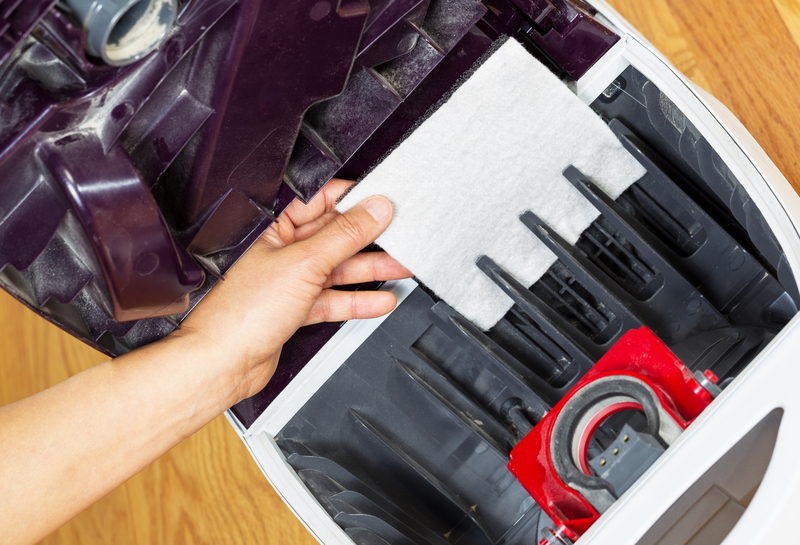
- Maintenance: Replace bags at 70-80% capacity; clean pre-motor filters per manufacturer guidance.
4) Dust with damp microfibre, top-to-bottom
- Tools: High-quality microfibre cloths (300-400 GSM), slightly damp to trap particles without smearing.
- Order: Start high (ceiling corners, light fittings) and work down to tables, then skirting.
- Technique: Fold the cloth into quarters; refold to a clean face between surfaces. Rinse frequently.
Avoid dry feather dusters that redistribute debris. Microfibre picks up dust electrostatically when in good condition.
5) Refresh fabrics and bedding to defeat dust mites
- Wash bedding weekly at 60?C to neutralise mites and denature allergens.
- Cover mattresses and pillows with allergen-impermeable encasements; vacuum mattresses monthly.
- Reduce heavy drapes and plush textiles that shed and hold dust; consider blinds or washable curtains.
6) Manage humidity at 40-50%
- Why: Lower humidity slows dust mite proliferation; higher humidity promotes mold.
- How: Use a digital hygrometer; run a dehumidifier in damp rooms. Ventilate bathrooms and kitchens well.
7) Upgrade the air you breathe with HEPA purification
- Pick the right size: Check Clean Air Delivery Rate (CADR). Aim for 4-5 air changes per hour in the room. For a 20 m? room with standard height, look for CADR ~200-300 m?/h.
- Filter quality: HEPA H13/H14 (EN 1822) for high efficiency; add activated carbon if odours or VOCs are concerns.
- Placement: Near the source of dust or centre of the room away from obstructions.
An air purifier is not a substitute for cleaning, but a powerful complement that reduces airborne load while you work to reduce sources.
8) Choose easy-clean surfaces and smart storage
- Declutter: Fewer exposed items mean fewer dust traps. Group decor on trays; use closed cabinets for books or fabrics.
- Flooring: Low-pile or hard floors with sealed edges simplify cleaning. Use washable rugs with anti-slip pads.
- Finishes: Satin or semi-gloss paints are easier to wipe than flat emulsions in high-touch areas.
9) Optimise ventilation without importing extra dust
- Trickle vents and extractor fans: Essential under UK Building Regulations Part F. Keep them clean and functioning.
- Window strategy: Vent during lower outdoor pollution periods (early morning after rainfall); avoid busy-road rush hours.
- Positive Input Ventilation (PIV): In some UK homes, PIV can reduce humidity and dust ingress by creating slight positive pressure.
10) Control pet-related dust and dander
- Groom regularly: Brush pets outdoors; wash bedding weekly.
- Zones: Keep pets off beds if allergies are present; use washable throws on sofas.
- HEPA vacuum attachments: Use upholstery tools and turbo brushes on soft furnishings.
11) Clean in the right order
- Open windows briefly (if outdoor air quality is good) to vent stirred dust.
- Start high: light fittings, top shelves, curtain poles.
- Mid-levels: surfaces, electronics, furniture, window sills.
- Soft furnishings: vacuum upholstery and mattresses.
- Floor edges and skirting boards.
- Finish with thorough vacuuming and damp mopping hard floors.
12) Set a realistic schedule
- Daily: Quick 5-minute tidy, spot vacuum near entries.
- Weekly: Full vacuum, damp dust key surfaces, wash bedding.
- Monthly: Deep dust higher areas, clean vents and skirting, wash or shake rugs.
- Quarterly: Move furniture, launder curtains, service vacuums and purifiers.
Consistency is the engine that will transform your living space into a dust-free haven and keep it that way.
Expert Tips
Use the science of static to your advantage
Very dry air increases static charge, causing dust to cling. If winter indoor humidity drops below 35%, consider a humidifier to reach the 40-50% sweet spot. Conversely, avoid over-humidification, which invites mites and mold.
Microfibre care matters
Wash microfibre separately without fabric softener (which coats fibers and kills performance). Air-dry or low heat. Replace cloths that lose their "grab."
Pick sealed systems over raw power
In vacuums and air purifiers, build quality and sealed design beat headline wattage. A well-sealed HEPA system prevents micro-leaks that recirculate the finest dust.
Capture dust at the source
When drilling or sanding for DIY, use dust extraction attachments and wear an FFP2/FFP3 mask. Isolate the work area with a door draft stopper and damp-wipe afterwards.
Mind your mattress and pillows
We spend a third of our lives in bed. Encasements plus regular vacuuming and weekly 60?C pillowcase washes dramatically lower exposure to mite allergens.
Don't forget vents and radiators
Vents, radiators, and convectors move air and dust. Use crevice and brush tools monthly to prevent build-ups that redistribute when heating is on.
Schedule cleaning near low outdoor pollution
On urban streets, rush hour spikes particulates. Dust and ventilate in off-peak windows or after rainfall when airborne dust is naturally suppressed.
Common Mistakes to Avoid
- Dry dusting with fluffy tools: They lift and redeposit particles.
- Ignoring soft furnishings: Sofas, cushions, and curtains are major dust reservoirs.
- Using bagless vacuums with poor seals: Emptying can aerosolize dust; consider bagged or empty outside wearing a mask.
- Overlooking filter changes: Clogged filters choke performance; follow intervals diligently.
- Excess fragrance sprays: Masking odours with aerosols adds to particle load and VOCs.
- Too little or too much humidity: Below 35% increases static; above 60% invites mites and mold.
- Windows open at the wrong time: Busy-road rush hours can increase indoor dust.
- Skipping high and low extremes: Fans, tops of wardrobes, under beds--dust magnets you can't see.
Case Study or Real-World Example
Profile: 65 m? second-floor flat in North London, on a moderately busy road. One adult, one indoor cat, carpet in bedrooms, laminate in living area. Long-standing complaints: dusty TV stand within 48 hours, sneezing in the morning, visible dust bunnies under sofa.
Baseline
- Visible dust: Light grey film on surfaces within 2-3 days of cleaning.
- Air quality snapshots: PM2.5 spikes to 35-45 ug/m? during vacuuming and bed-making (handheld monitor); background ~12-18 ug/m? with windows closed.
- Practices: Bagless stick vacuum, feather duster, weekly bedding wash at 40?C, windows open at evening rush hour in summer for cooling.
Intervention
- Replaced vacuum with sealed bagged model featuring HEPA H13 and motorised brush; vacuumed 3x weekly.
- Switched to damp microfibre; cleaned top-to-bottom order.
- Installed medium-size HEPA air purifier (CADR ~260 m?/h) in living area.
- Adopted no-shoes policy, added outdoor scraper and indoor absorbent mats.
- Washed bedding weekly at 60?C, added mattress and pillow encasements.
- Adjusted ventilation: aired early mornings; avoided opening windows during rush hour; cleaned trickle vents.
Results after 4 weeks
- Surface dust: Reduced visibly by ~50-60%; surfaces stayed clean for 4-5 days instead of 2-3.
- Airborne dust: Bed-making PM2.5 spikes cut to ~20-25 ug/m?; general background ~8-12 ug/m?.
- Symptoms: Morning sneezing decreased from daily to once weekly.
- Time spent cleaning: Similar weekly total, but less deep cleaning due to slower build-up.
While results vary by property and outdoor conditions, a layered approach consistently yields tangible improvements--and helps transform your living space into a dust-free haven that lasts.
Tools, Resources & Recommendations
Essential toolkit
- Sealed HEPA H13/H14 vacuum: Prefer bagged models with multi-layer bags and good edge tools.
- Microfibre cloths and mop heads: 300-400 GSM for general dusting; flat mop with washable pads.
- HEPA air purifier: Properly sized by CADR; optional carbon filter for odours.
- Dehumidifier/hygrometer: Keep relative humidity at 40-50%.
- Mattress and pillow encasements: Allergen-proof with fine zippers and internal flaps.
- Door sweeps and dual mats: Reduce tracked-in dust.
- Specialist brushes: Radiator brush, vent brush, and soft electronics brush.
Selection criteria
- Vacuum: HEPA verified to EN 1822, sealed body, strong edge pick-up, and a motorised brush for carpets. Noise below 75 dB is comfortable for flats.
- Air purifier: CADR matched to room volume; low ozone emissions; real HEPA (not "HEPA-type"). Look for quiet night mode (<=30 dB).
- Dehumidifier: UK climate-friendly refrigerant models for warmer rooms; desiccant for colder spaces like winter lofts. Auto-humidistat is essential.
- Microfibre: Laser-cut edges resist lint; avoid cheap cloths that shed and push dust around.
Trusted references
- BS EN 1822 for HEPA classification (H13/H14 performance levels).
- UK Building Regulations Part F (Ventilation) for extract rates and background ventilation guidance.
- BS 5250 (Management of moisture in buildings) for condensation and humidity control principles.
- NICE and NHS guidance on allergy and asthma management for trigger reduction best practice.
- WHO Indoor Air Quality guidelines for particulate matter and general IAQ strategies.
Law, Compliance or Industry Standards (UK-focused if applicable)
While everyday dust management is not a legal matter, several UK standards and regulations shape best practice for a healthier, cleaner home:
- Building Regulations Part F (Ventilation): Requires adequate background ventilation and effective extract in kitchens, bathrooms, and WCs. Clean, operational vents help manage moisture and reduce dust accumulation.
- BS EN 1822: Defines HEPA and ULPA filter classes (H13/H14) and testing methods. When a product claims HEPA H13/H14, it should conform to this standard.
- BS 5250: Guidance on moisture control and condensation risk. Staying within a healthy humidity range (40-50%) limits dust mite proliferation and prevents damp-related dust from flaking paints or plaster.
- Homes (Fitness for Human Habitation) Act 2018: Landlords must ensure properties are free from serious hazards (including damp and mold, which contribute to dust and poor IAQ). Tenants can request remediation.
- Product Safety and UKCA/CE compliance: Appliances like vacuums, purifiers, and dehumidifiers should bear UKCA (or CE) marking, indicating conformity with relevant safety directives.
- HSE guidance on dust: Though oriented to workplaces, HSE materials underscore the importance of capturing dust at source during DIY tasks. Wearing FFP2/FFP3 respirators and isolating work zones is prudent at home.
- Waste and recycling: Filters, vacuums, and electronics fall under WEEE regulations. Dispose of used filters and retired appliances responsibly via council recycling points.
Compliance is about more than ticking boxes--it supports the routines that will transform your living space into a dust-free haven while protecting health and property value.
Checklist
Daily
- 5-minute tidy in main living area.
- Spot vacuum near entrances and pet areas.
- Wipe kitchen counters with damp microfibre.
Weekly
- Vacuum all floors and edges thoroughly.
- Damp dust surfaces, electronics, and skirting boards.
- Wash bedding at 60?C; shake and wash throws/rugs as needed.
- Brush pets outdoors; launder pet bedding.
Monthly
- Clean trickle vents, extractor grills, and radiators.
- Vacuum mattresses and upholstery; rotate pillows.
- Launder curtains or vacuum with upholstery tool.
- Check and replace air purifier pre-filters if dirty.
Quarterly
- Move furniture; vacuum underneath and behind.
- Deep clean wardrobes and storage; declutter items you no longer use.
- Inspect door seals and weather stripping; replace if worn.
- Service vacuum: new bag, clean filters, check hoses and seals.
Seasonal
- Review humidity controls; adjust dehumidifier/humidifier usage.
- Consider carpet cleaning or hot-water extraction if needed.
- Check outdoor mat condition; replace if clogged or worn.
Conclusion with CTA
Dust is inevitable--but a dust-heavy home is not. By combining source control at entry points, smart ventilation, sealed HEPA filtration, damp microfibre techniques, and consistent routines, you can dramatically reduce both settled and airborne particles. The result is a calmer, fresher, healthier environment that looks better and feels better every day. Put these steps into practice and you'll quickly transform your living space into a dust-free haven, one habit at a time.
Get a free quote today and see how much you can save.
FAQ
What exactly is household dust made of?
Household dust is a mix of textile fibers, outdoor soil and soot, skin cells, pet dander, pollen, cooking aerosols, microplastics, and residues from household products. Its composition varies by location, season, and habits.
How often should I vacuum to keep dust under control?
Vacuum high-traffic areas 2-3 times weekly and other rooms at least once a week. With pets or allergies, daily quick passes in problem zones help maintain a dust-free feel.
Do air purifiers really remove dust?
Yes. HEPA purifiers capture airborne particles, reducing what settles. Choose a CADR matched to your room size and run it continuously on an appropriate speed. They complement, not replace, surface cleaning.
Is bagged or bagless better for a dust-free home?
Bagged vacuums typically contain dust better during disposal and often maintain suction more consistently. If using bagless, empty outdoors, wear a mask, and rinse canisters to minimise re-aerosolising.
What humidity level prevents dust mites?
Maintain 40-50% relative humidity. Below 50% slows dust mite growth; above 60% encourages mites and mold. Use a hygrometer and adjust with dehumidifiers or humidifiers.
Should I replace carpets with hard flooring to reduce dust?
Hard floors are easier to clean and show dust sooner, which can help you remove it promptly. Low-pile, well-maintained carpets with sealed edges can also work if vacuumed thoroughly with a HEPA machine.
Do houseplants reduce dust?
Plants can trap some particles on leaves, but their overall impact on dust is modest. They can improve wellbeing, but rely on HEPA filtration and cleaning for significant dust reduction.
When is the best time to open windows in a city?
Ventilate during off-peak traffic times or after rainfall when outdoor particulates are lower. Avoid rush hours and times of visible construction dust.
How do I dust electronics safely?
Power down, use a soft microfibre slightly dampened with water or 70% isopropyl alcohol for stubborn grime (follow device guidance). Avoid spraying directly; use gentle strokes that don't push dust into ports.
What's the difference between HEPA H13 and H14?
Both are high-efficiency filters per EN 1822. H13 captures >=99.95% of particles at the most penetrating size; H14 captures >=99.995%. For homes, H13 is typically sufficient; H14 is an extra margin of safety.
Do I need professional duct cleaning?
Most UK homes rely on local extract fans rather than large ducted systems. Clean accessible grills and fans regularly. Whole-duct cleaning is generally unnecessary unless there is visible contamination or performance issues.
How can I keep dust down with pets?
Brush pets outdoors, vacuum upholstery weekly with a HEPA-equipped tool, wash pet bedding weekly, and consider an air purifier running near their favourite spots.
Is it bad to use fragranced sprays to mask dust?
Fragranced aerosols add particles and VOCs without removing dust. Opt for damp microfibre, adequate ventilation, and carbon filters if odours are a concern.
How quickly can I see results?
Within 1-2 weeks you should notice less visible dust and reduced sniffles if you follow a layered approach. Full benefits--especially on bedding and soft furnishings--build over 4-6 weeks.
Can I realistically achieve a truly dust-free home?
Completely dust-free isn't practical, but you can transform your living space into a dust-free haven in effect--dramatically lowering build-up and airborne particles so your home looks and feels consistently clean.